

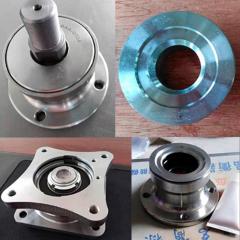
Why Seal Failure Is the Primary Root Cause of Premature Bearing Failure
Most premature failures are triggered by seal failure, leading to contamination and lubrication breakdown
Dust, mud, and moisture continuously attack the bearing system. Once contaminants enter, grease degrades, friction increases, and wear accelerates.
Why Seal Structure Matters More Than Material
Even high-quality bearing materials cannot compensate for poor sealing.
- Contamination → lubrication failure
- Lubrication failure → metal contact
- Metal contact → accelerated wear
For buyers, seal design directly impacts:
- Maintenance intervals
- Downtime risk
- Total cost of ownership (TCO)
Main Seal Structures Used in Disc Harrow Bearings
1. Single Lip Seal – Basic Protection
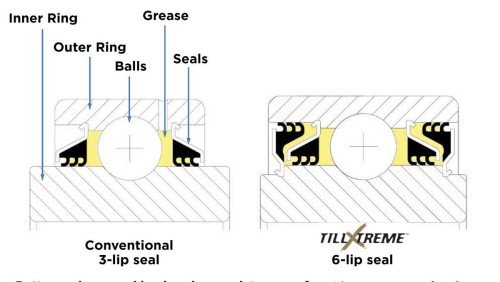
- Low cost and low friction
- Limited contamination resistance
Best for: Dry and light-duty environments
2. Double Lip Seal – Balanced Performance
In well-designed configurations, the primary lip faces outward to block contaminants, while the secondary lip retains grease.
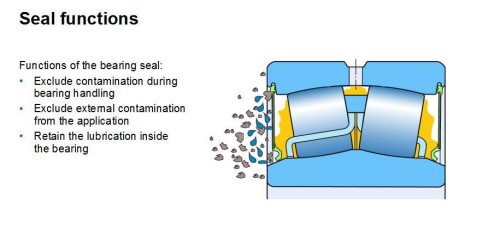
- Improved dust protection
- Better grease retention
Best for: Moderate agricultural conditions
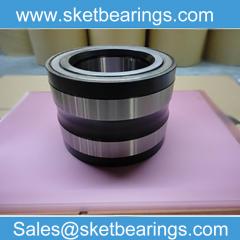
3. Triple Lip Seal – Heavy-Duty Protection
While triple lip seals offer superior protection, they may result in slightly higher starting torque, which should be considered in applications with limited power margins.
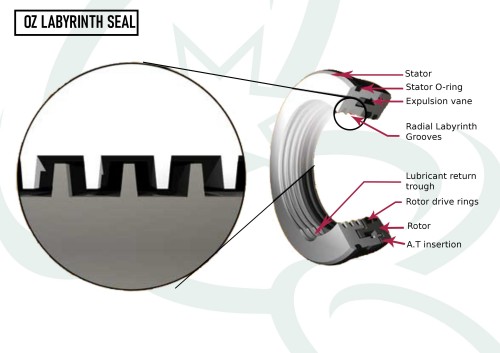
- Excellent dust and mud resistance
- Superior grease retention
- Extended service life
Engineering Insight: Multi-layer sealing creates a labyrinth effect, reducing contamination ingress.
Best for: Heavy-duty disc harrow bearing and harsh field conditions
Seal Structure Comparison
| Feature | Single Lip | Double Lip | Triple Lip |
|---|---|---|---|
| Contamination Protection | Low | Medium | High |
| Grease Retention | Low | Medium | High |
| Maintenance Frequency | High | Medium | Low |
| Service Life | Short | Moderate | Long |
| Initial Cost | Low | Medium | Higher |
| Lifecycle Cost | High | Medium | Low |
How Soil Conditions Impact Seal Performance
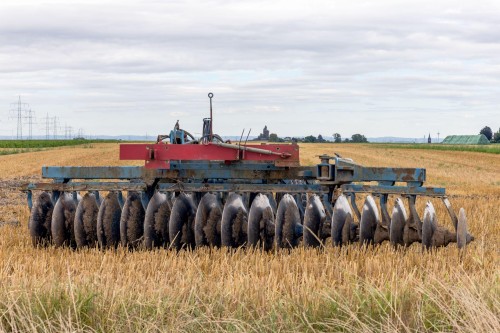
- Sandy soil: Abrasive particles increase wear
- Wet clay: Mud infiltration risk
- Rocky soil: Vibration and impact stress
Learn more here: Disc Harrow Bearings for Different Soil Conditions: How to Choose the Right Bearing
Sealed vs Relubricable Bearings – Where Seal Design Fits
- Sealed-for-life: Depends entirely on seal quality
- Relubricable: Requires ongoing maintenance
Related reading:
- When Should You Choose Relubricable Disc Harrow Bearings?
- Maintenance Cost Comparison: Relubricable vs Sealed-for-Life Disc Bearings
Common Mistakes Buyers Make
- Focusing only on price
- Ignoring working conditions
- Underestimating contamination
- Confusing dust protection with mud resistance
How to Choose the Right Seal Structure
- Define operating environment
- Assess contamination severity
- Determine maintenance strategy
- Evaluate total cost of ownership
For most heavy-duty applications, triple lip seals are becoming the industry standard.
Conclusion: Seal Design Is a Cost Decision
Seal structure directly determines bearing performance and cost efficiency.
- Better sealing = longer life
- Better sealing = less maintenance
-
Better sealing = lower total cost
Final Takeaway: Choosing the right seal structure early prevents costly failures later.