

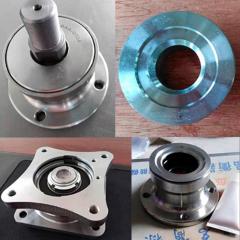
Truck hub bearings operate under much more than mechanical load. In real road conditions, wheel-end assemblies can also be exposed to rainwater, standing water, road spray, dust, mud, gravel, and road salt.
These conditions can affect bearing reliability in different ways. Water can contribute to corrosion and lubricant deterioration, while abrasive particles can damage raceways and rolling elements. Repeated exposure may gradually affect bearing condition before obvious symptoms appear.
For truck OEMs, fleet operators, maintenance teams, and bearing buyers, identifying the environmental factors involved is important when investigating premature hub bearing damage.
This guide explains where these contaminants come from, how they affect bearing surfaces, how to identify related damage during inspection, and what buyers should consider when sourcing bearings for demanding road environments.
Where Truck Hub Bearings Encounter Water and Contamination
Environmental contaminants can reach the wheel-end area through normal vehicle operation and maintenance activities. The level of exposure depends on the vehicle, road surface, climate, and service conditions.
Mud, Dust, and Abrasive Particles
Trucks operating on gravel, construction, agricultural, mining, or other unpaved routes may encounter dust, sand, mud, and debris.
These particles can accumulate around the wheel-end assembly. If the sealing interface becomes damaged, worn, displaced, or otherwise compromised, contaminants may reach the bearing interior.
Once present in the lubricant, hard particles can enter the rolling contact zone and contribute to surface damage.
Rainwater and Standing Water
Heavy rain, standing water, and road spray are common sources of moisture around truck wheel ends.
Typical exposure situations include:
-
Driving through deep puddles
-
Heavy rainfall
-
Flooded road sections
-
Water spray from surrounding traffic
-
Repeated wet and dry cycles
Short-term exposure does not necessarily result in immediate bearing damage. The concern increases when moisture reaches the internal bearing environment repeatedly or remains present for extended periods.
Road Salt and De-Icing Chemicals
Winter operation can introduce salt and de-icing chemicals into the wheel-end environment.
When combined with moisture, these substances can increase the potential for corrosion on exposed metal surfaces. Trucks operating regularly on treated roads may therefore require closer attention to corrosion during maintenance inspections.
High-Pressure Washing
Cleaning practices can also affect wheel-end components.
Directing high-pressure water toward a bearing seal or wheel-end interface may increase the chance of water reaching areas intended to remain protected. The actual risk depends on factors such as spray pressure, distance, seal design, bearing condition, and cleaning procedure.
Fleet maintenance teams should follow the vehicle and bearing manufacturer's cleaning recommendations.
How Contamination and Water Damage Truck Hub Bearings
Once water or solid particles reach the bearing interior, the resulting damage depends on the type and severity of exposure.
Contaminated Lubricant and Abrasive Wear
Foreign particles suspended in lubricant can pass repeatedly through the rolling contact zone.
Hard particles may create localized contact with raceways and rolling elements, gradually producing surface deterioration.
A simplified progression is:
Contamination → particle circulation → surface damage → increased friction and wear
The extent of damage depends on particle size, hardness, concentration, lubricant condition, load, speed, and operating environment.
Raceway and Rolling Element Damage
Hard particles such as sand or debris can produce localized damage as they pass through the rolling contact area.
Possible findings include:
-
Scratches
-
Dents
-
Indentations
-
Surface wear
-
Localized roughness
As rolling surfaces deteriorate, running characteristics may change and the damaged area can continue to develop during operation.
Corrosion and Lubricant Degradation
Water creates a different damage pathway.
Moisture inside the bearing can promote corrosion on steel raceways and rolling elements. Continued corrosion may result in localized pitting and surface deterioration.
Water contamination can also affect lubricant condition and its ability to provide effective protection.
A simplified progression is:
Water intrusion → lubricant deterioration and corrosion → surface deterioration → possible noise or vibration
The severity and rate of development depend on moisture exposure, lubricant condition, bearing materials, operating conditions, and maintenance history.
How to Inspect a Truck Hub Bearing for Water and Contamination Damage
When a truck hub bearing is removed for inspection, several physical conditions can help identify whether environmental exposure may have contributed to the damage.
| Inspection finding | What it may indicate |
|---|---|
| Rust-colored grease | Moisture exposure or corrosion products |
| Visible rust | Water or prolonged moisture exposure |
| Raceway pitting | Corrosion-related surface damage |
| Scratched raceway | Possible abrasive contamination |
| Dents or indentations | Possible hard-particle contamination |
| Rough rotation | Internal surface or lubrication-related damage |
| Damaged or displaced seal | Potential entry path |
| Abnormal noise or vibration | Possible internal bearing damage |
These findings should be considered together rather than treated as one-to-one diagnoses.
For example, abnormal noise can have several possible causes. Maintenance personnel should compare physical evidence with operating history and other inspection findings before determining the likely failure mechanism.
1. Check the Seal and Wheel-End Area
Inspect the sealing area for:
-
Seal damage
-
Displacement
-
Cracks or deformation
-
Excessive contamination
-
Signs of moisture exposure
-
Abnormal grease leakage
The objective is to identify any physical condition that could have allowed contaminants to reach protected areas.
2. Examine the Lubricant Condition
Where lubricant inspection is permitted by the bearing design and maintenance procedure, check for:
-
Unusual discoloration
-
Water contamination
-
Foreign particles
-
Rust-colored material
-
Abnormal grease consistency
The lubricant can provide additional evidence when combined with the condition of the bearing surfaces.
3. Inspect Raceways and Rolling Elements
Look for physical surface evidence such as:
-
Rust
-
Pitting
-
Scratches
-
Dents
-
Abnormal wear
-
Localized damage
The location and pattern of the damage can help distinguish environmental contamination from other possible failure mechanisms.
4. Evaluate Noise, Rotation, and Play
Operational observations can supplement the physical inspection.
Maintenance personnel may evaluate:
-
Abnormal running noise
-
Rough rotation
-
Excessive play
-
Vibration
-
Changes in wheel-end behavior
These observations are supporting evidence rather than standalone diagnoses.
Real Road Conditions That Increase Truck Hub Bearing Contamination Risk
The severity of environmental exposure varies by application. Road conditions, vehicle routes, climate, and duty cycle can all change the level of risk.
Highway Trucks in Heavy Rain
Long-distance trucks may experience extended periods of wet-road operation.
Compared with dry highway use, heavy rain can increase exposure to:
-
Standing water
-
Continuous road spray
-
Water from surrounding traffic
-
Repeated wet and dry cycles
Maintenance programs should take these conditions into account when evaluating wheel-end condition.
Gravel and Unpaved Roads
Unpaved routes can expose wheel-end assemblies to greater amounts of dust, sand, and loose debris.
This is particularly relevant to trucks used in:
-
Construction
-
Agriculture
-
Forestry
-
Mining
-
Rural transportation
For these applications, contamination control becomes an important consideration alongside normal mechanical requirements.
Winter Roads
Winter operation can combine moisture with road salt and repeated temperature changes.
These conditions can increase the potential for corrosion and make the condition of exposed wheel-end components more important during inspection.
Muddy and High-Contamination Environments
Some vehicles regularly operate where mud, water, dust, gravel, and debris occur together.
Examples include off-road transport, construction access roads, agricultural operations, and other high-contamination applications.
In such environments, the overall environmental exposure should be considered when selecting the bearing and its sealing configuration.
Contamination vs. Water Damage: What Is the Difference?
Although contamination and water can occur together, they typically leave different types of physical evidence.
| Factor | Contamination | Water Intrusion |
|---|---|---|
| Typical sources | Dust, sand, mud, debris | Rain, puddles, road spray, washing |
| Primary concern | Abrasive wear | Corrosion and lubricant deterioration |
| Typical damage | Scratches, dents, surface wear | Rust, pitting, lubricant deterioration |
| Inspection focus | Particles and rolling surfaces | Corrosion, grease, and sealing condition |
| Main control measure | Contaminant exclusion | Moisture exclusion and seal protection |
In actual road environments, the two mechanisms may overlap.
For example, muddy water can carry both moisture and abrasive particles into the wheel-end environment. Road salt can also be transported by water.
The practical approach is therefore to evaluate the complete operating environment rather than treating each exposure source independently.
How to Reduce Environmental Bearing Damage
Environmental protection depends on the combination of bearing selection, installation, cleaning, and maintenance practices.
Select Sealing for the Application
Sealing requirements should reflect the expected operating environment.
Consider:
-
Water exposure
-
Dust concentration
-
Mud
-
Road salt
-
Operating temperature
-
Vehicle duty cycle
A configuration suitable for normal highway use may require different environmental protection considerations for vehicles that regularly operate in mud, standing water, or highly contaminated areas.
Match Lubrication to the Application
For applications where heavy mechanical loads and lubrication conditions are also major concerns, see:Truck Wheel Hub Bearing Replacement Cost & Lifecycle Decision Model
This related article addresses load- and lubrication-related failure, while this guide focuses on environmental exposure and contamination.
Control Installation and Handling
Environmental damage is not limited to conditions encountered after installation. Contamination can also be introduced during storage, handling, or installation.
Good practices include:
-
Keeping bearings and tools clean
-
Protecting bearings from dust and moisture before installation
-
Avoiding unnecessary contact with sealing surfaces
-
Using appropriate mounting tools
-
Preventing seal damage
-
Following the manufacturer's installation requirements
Adjust Inspection to Operating Conditions
Inspection practices should reflect actual vehicle use.
Maintenance teams can consider:
-
Road surface
-
Water exposure
-
Dust and mud exposure
-
Vehicle duty cycle
-
Seasonal conditions
-
Previous inspection findings
Vehicles operating regularly in mud, standing water, or treated winter roads may warrant closer attention to wheel-end condition.
What Truck OEMs and Fleet Buyers Should Check When Sourcing Hub Bearings
When sourcing truck hub bearings, buyers need to confirm that the proposed bearing matches both the mechanical specification and the intended service environment.
Confirm Dimensional Compatibility
Verify:
-
Bore
-
Outside diameter
-
Bearing width
-
Mounting configuration
-
Relevant interface dimensions
Dimensional compatibility is a basic requirement, but it does not by itself establish environmental suitability.
Verify the Sealing Configuration
Ask the supplier to provide the applicable sealing configuration and intended operating conditions.
For vehicles exposed to water, dust, mud, or road salt, the sealing arrangement should be evaluated against the actual application.
Confirm Load, Speed, and Duty Requirements
Environmental exposure is only one part of bearing selection.
Also provide:
-
Dynamic load requirements
-
Static load requirements
-
Operating speed
-
Duty cycle
-
Wheel-end operating conditions
The supplier can then assess the proposed specification against the application requirements.
Request Manufacturing and Inspection Information
For OEM and bulk procurement, buyers may need to verify:
-
Bearing material
-
Heat-treatment requirements
-
Dimensional inspection
-
Quality-control procedures
-
Traceability
-
Batch documentation
-
Applicable inspection records
The available documentation should be confirmed with the supplier before ordering.
Confirm Supply and Customization Requirements
For replacement programs and production applications, procurement teams should also clarify:
-
Sample availability
-
MOQ
-
Lead time
-
Packaging requirements
-
Inspection documentation
-
OEM or customization requirements
-
Bulk supply capability
For an RFQ, providing the bearing number, dimensions, vehicle or application, required quantity, operating environment, and destination can help the supplier evaluate the requirement efficiently.
Key Takeaways for Truck Hub Bearing Maintenance
Environmental exposure should be considered alongside mechanical and lubrication factors when investigating truck hub bearing problems.
The main points are:
-
Water exposure can contribute to corrosion and lubricant deterioration.
-
Abrasive particles can damage raceways and rolling elements.
-
Inspection findings should be evaluated together rather than used as isolated diagnoses.
-
Road surface, climate, and duty cycle can change environmental exposure significantly.
-
Bearing selection should account for the actual service environment as well as dimensional and mechanical requirements.
-
OEMs and fleet buyers should verify sealing, inspection, manufacturing, and supply requirements before volume procurement.
Frequently Asked Questions
Can high-pressure washing damage truck hub bearing seals?
High-pressure washing can increase the risk of water reaching bearing seals or wheel-end interfaces, particularly when spray is directed toward the sealing area. Cleaning should follow the vehicle and bearing manufacturer's recommendations.
What are the signs of water or contamination damage in a truck hub bearing?
Possible findings include rust-colored grease, corrosion, raceway pitting, scratches, dents, abnormal wear, seal damage, rough rotation, or abnormal noise and vibration. These signs should be evaluated together with operating history and other inspection evidence.
When should a contaminated truck hub bearing be replaced?
Replacement should be based on the actual bearing condition. Significant corrosion, raceway pitting, rolling-element damage, abnormal wear, or other confirmed internal damage may indicate that continued service is no longer appropriate. Contamination alone should not be treated as the sole replacement criterion.
Need a Truck Hub Bearing for a Specific Application?
If you are sourcing truck hub bearings for wet, dusty, muddy, winter, or other demanding road conditions, send us the bearing number, dimensions, vehicle or application, required quantity, operating environment, and destination.
SKET can review the available specification and supply requirements based on the information provided.