

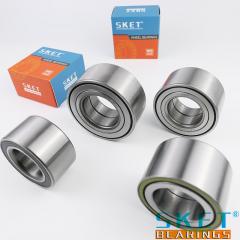
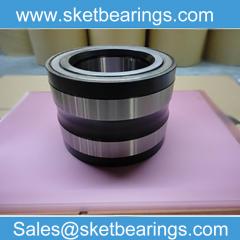
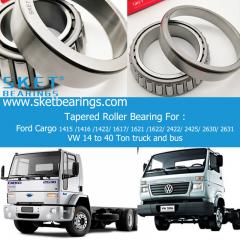
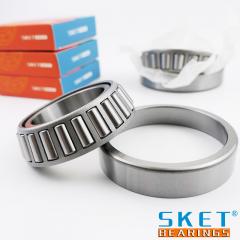
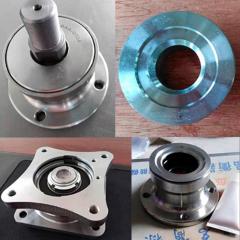
Truck wheel bearings can fail prematurely even when the bearing itself is correctly specified and manufactured. Incorrect mounting force, poor fit, adjustment errors, damaged mating components, improper tools, or contamination during installation can affect bearing performance and service life.
For dealers and distributors, a premature failure should not automatically be classified as either a bearing-quality problem or an installation problem. The more useful approach is to review the bearing, installation conditions, wheel-end components, and operating environment together.
This guide focuses on common truck bearing installation errors, how they can contribute to premature failure, and how dealers can investigate failure claims before selecting a replacement bearing.
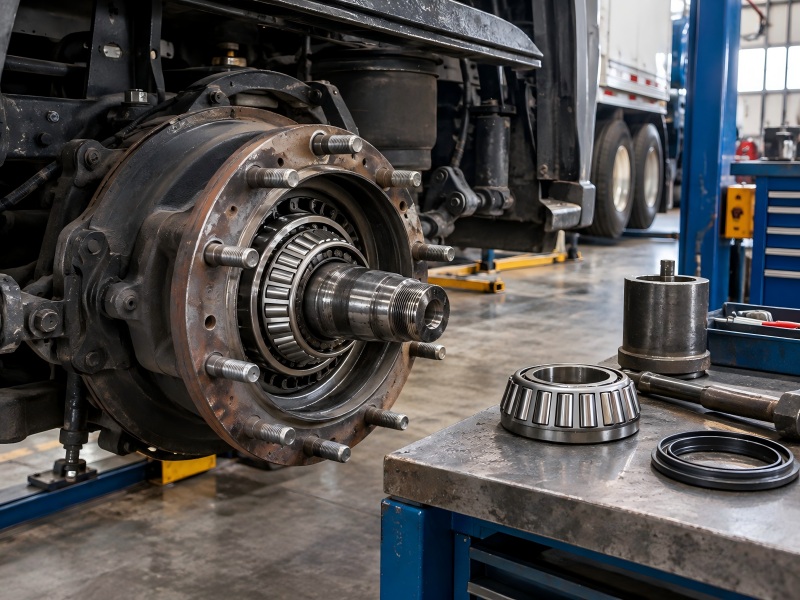
Why Installation Matters to Truck Bearing Life
A truck wheel bearing operates as part of a complete wheel-end system. Correct bearing identification alone is not enough; the bearing must also be properly fitted, mounted, adjusted, lubricated, and inspected.
A typical installation process should follow a controlled sequence:
Correct bearing → correct fit → proper mounting → correct adjustment → final inspection
If one part of this process is incorrect, the resulting damage may appear on the bearing after a relatively short period of operation. For this reason, a failed bearing should be evaluated together with the surrounding wheel-end components and installation records.
6 Common Truck Bearing Installation Errors
1. Applying Installation Force to the Wrong Ring
Installation force should be applied through the appropriate bearing ring for the fit being installed. Force transmitted through the rolling elements can create localized damage to raceways or rolling elements.
Proper installation tools and procedures help prevent mounting damage that may not be immediately visible.
2. Incorrect Shaft or Housing Fit
The fit between the bearing and its mating component affects how the bearing operates after installation.
An excessively tight fit can influence internal clearance, friction, and operating temperature, while an excessively loose fit may allow movement, fretting, or vibration. The appropriate fit depends on the bearing, wheel-end design, load, and application requirements.
3. Incorrect Preload or Endplay
Incorrect adjustment can change the internal operating condition of a truck wheel bearing.
Excessive adjustment may increase friction and heat, while excessive looseness can allow unwanted movement and affect load distribution. Dealers should follow the applicable vehicle, axle, or bearing manufacturer's adjustment specification rather than applying a universal value.
4. Damaged or Improperly Seated Components
A new bearing cannot compensate for damaged mating components.
Before installation, dealers or service technicians should inspect shaft shoulders, bearing seats, hub or housing bores, spacers, seal contact areas, and other mating surfaces for scoring, wear, deformation, or improper seating conditions.
5. Incorrect Mounting Procedure or Tools
Unsuitable tools, uneven mounting, uncontrolled impact, or an incorrect installation sequence can damage the bearing or surrounding components.
For dealer networks, documenting the recommended mounting procedure and identifying repeated installation practices can help distinguish individual installation problems from recurring application issues.
6. Contamination During Installation
Dirt, metal particles, moisture, or other foreign material introduced during handling or installation can affect the bearing's internal surfaces and lubricant.
Keeping bearings, tools, mating components, and work areas clean is particularly important during replacement work.
For contamination encountered during actual truck operation, see How Water and Contamination Damage Truck Hub Bearings in Real Road Conditions.
How Installation Errors Lead to Premature Bearing Failure
Installation errors can affect bearing performance through several basic mechanisms:
Uneven Load Distribution
Incorrect fit, seating, or adjustment can prevent the bearing from carrying loads as intended, creating localized stress within the rolling contact area.
Excessive Friction and Heat
Improper adjustment or mounting conditions can increase friction and operating temperature, accelerating lubricant degradation and surface damage.
Localized Surface Damage
Improper mounting force, impact, or component damage can create dents, scoring, or other localized defects that develop into more serious damage during operation.
These mechanisms are useful for failure analysis, but no single damage pattern should automatically be treated as proof of one specific installation error.
Bearing Failure: What Dealers Should Check Before Assigning the Cause
When a truck bearing fails prematurely, dealers should first collect evidence rather than immediately assigning responsibility.
| Observed Finding | Possible Area to Investigate |
|---|---|
| Early overheating | Adjustment, fit, lubrication, or operating conditions |
| Abnormal wheel play | Adjustment, seating, or component wear |
| Raceway indentation | Mounting force or installation procedure |
| Uneven wear | Alignment, fit, or load distribution |
| Seal damage | Installation or mating surfaces |
| Contaminated lubricant | Installation cleanliness or sealing condition |
| Repeated failure at the same wheel position | Wheel-end condition, installation procedure, or application conditions |
These are investigation points, not automatic diagnoses. The failed bearing should be inspected together with the wheel-end and operating history.
How Dealers Can Investigate a Premature Truck Bearing Failure
Step 1: Confirm the Bearing
Record the bearing part number, bearing type, vehicle or axle, wheel position, quantity, and batch or lot information where available.
Step 2: Review Installation Conditions
Check the mounting method, tools, mating components, fit, adjustment, lubrication, seal installation, service location, and installer.
Step 3: Inspect and Document the Failed Bearing
Where possible, retain the failed bearing before disposal. Inspect the raceways, rolling elements, cage, seals, lubricant, mounting surfaces, and signs of overheating or wear.
Photographs can support the investigation, but a single visual feature should not be used as the sole basis for identifying the cause.
Step 4: Review Operating Conditions
Consider vehicle loading, mileage, road conditions, maintenance history, lubrication, contamination, and operating temperature.
For failures associated with heavy loads or lubrication conditions, see Why Truck Wheel Bearings Fail Under Heavy Load and Poor Lubrication.
For common warning signs before failure, see Truck Wheel Bearing Failure Symptoms and Warning Signs.
Step 5: Compare Repeat Failures
If the same bearing fails repeatedly at the same wheel position or application, compare the installation procedure, service location, wheel-end condition, bearing specification, and operating conditions.
A replacement bearing is not a root-cause analysis. Repeat failures should be investigated at the system level.
Truck Wheel Bearing Installation Checklist for Dealers
Before returning a truck to service, verify:
-
Correct bearing part number and application
-
Shaft and mating-component condition
-
Appropriate fit
-
Correct installation force and mounting method
-
Suitable installation tools
-
Proper lubrication
-
Adjustment according to the applicable specification
-
Seal correctly seated and undamaged
-
Clean installation conditions
-
Final wheel-end inspection
A documented checklist can also help standardize installation practices across different service locations.
How Dealers Can Reduce Repeat Bearing Claims
Dealers and distributors can reduce avoidable installation-related claims by providing clear technical information with replacement bearings and maintaining basic installation records.
Useful records include:
-
Bearing part number
-
Vehicle and application
-
Wheel position
-
Installation date
-
Installation method
-
Adjustment procedure
-
Lubrication information
-
Failure symptoms
-
Photos or inspection findings
When the same failure occurs repeatedly, compare what changed and what remained the same. This can help separate bearing-related issues from installation, wheel-end, or operating conditions.
When a Truck Wheel Bearing Failure May Not Be an Installation Problem
Not every premature failure is caused by installation.
Other contributing conditions may include excessive or abnormal loading, unsuitable lubrication, water or solid contamination, incorrect bearing selection, damaged mating components, misalignment, excessive temperature, or other wheel-end and vehicle conditions.
For replacement-related issues, dealers can also review the Bearing Cup and Cone Replacement Guide for Tapered Roller Bearings.
The key is to identify the most likely contributing conditions from the available evidence rather than assigning the cause from the failed bearing alone.
Choosing Replacement Truck Wheel Bearings for Dealer Applications
Once the failure evidence has been reviewed, the next step is to confirm that the replacement bearing matches both the application and sourcing requirements.
Product Fit
Confirm the bearing number, dimensions, configuration, application, and compatibility with the intended wheel-end.
Quality and Documentation
For aftermarket and OEM programs, consider inspection records, technical documentation, traceability where applicable, and packaging requirements.
Supply Capability
Dealers may also need sample evaluation, replacement supply, OEM support, or bulk-order capability depending on the application and purchasing model.
The goal is not simply to find a bearing with similar dimensions, but to source a product that matches the application and can be supplied consistently.
SKET supports truck wheel bearing requirements for replacement, OEM, distributor, and bulk-order applications. When requesting a quotation, provide the bearing number, required quantity, application or vehicle, and destination so the supply team can confirm the appropriate option.
FAQ
Can improper installation cause truck wheel bearing failure?
Yes. Incorrect mounting force, fit, adjustment, seating, tools, or installation conditions can contribute to premature bearing damage. However, the failed bearing should be inspected together with the wheel-end and operating conditions before determining the cause.
What are the most common truck wheel bearing installation errors?
Common issues include applying force to the wrong ring, incorrect fit, incorrect adjustment, damaged mating components, unsuitable installation tools, and contamination during installation.
How can dealers determine whether a bearing failed because of installation?
Review the bearing identification, installation method, mating components, adjustment records, failed-bearing condition, and operating history. Repeated failures should also be compared across wheel positions, installers, and service locations.
What should dealers check after a premature truck bearing failure?
Check the failed bearing, wheel-end components, installation procedure, adjustment, lubrication, sealing condition, vehicle application, and operating environment before selecting a replacement.
Conclusion
Proper truck bearing installation is essential to reliable wheel-end performance, but premature failure should not automatically be attributed to installation or bearing quality alone. Dealers should review the bearing, installation process, wheel-end condition, and operating history together to identify the most likely contributing factors.
When replacement is required, confirm the bearing specification and application before ordering. Request a Quote from SKET with the bearing number, quantity, application or vehicle, and destination for replacement, OEM, or bulk supply requirements.